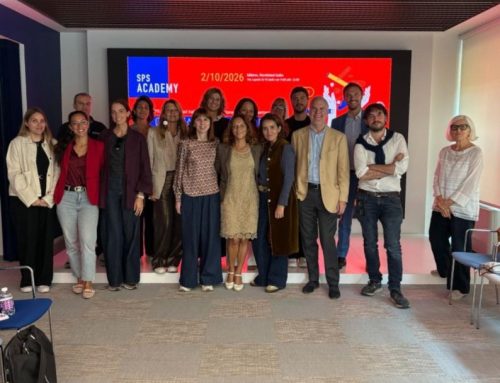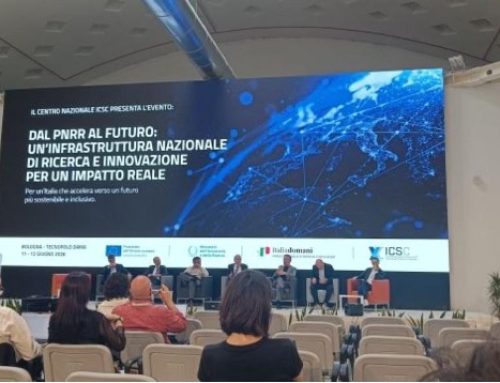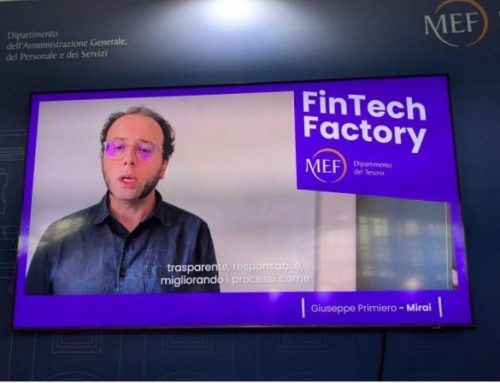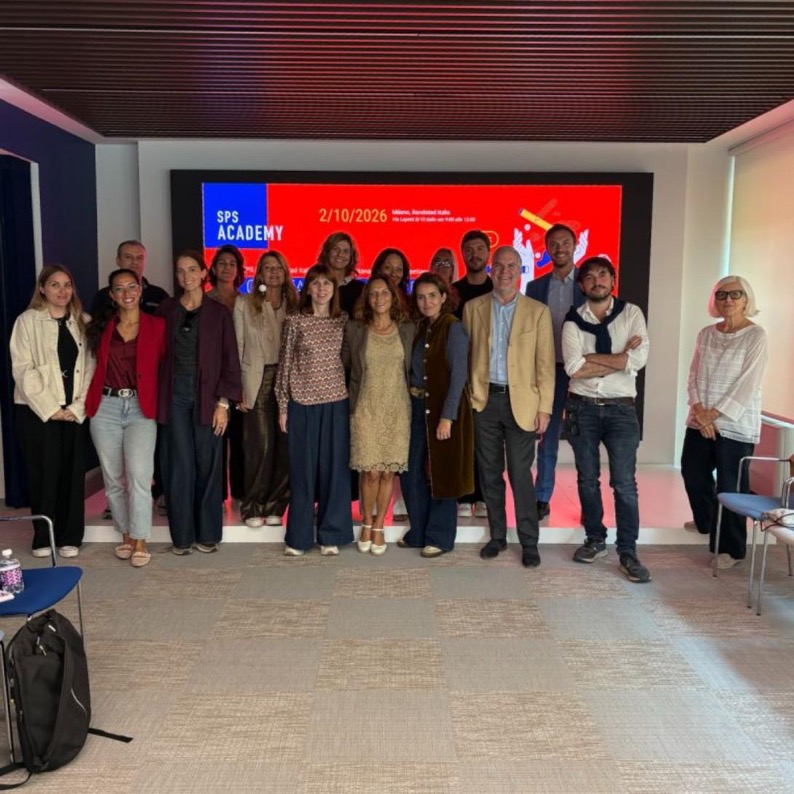
Computer Science Workshop organized by DoCS DIBRIS team at the University of Genova
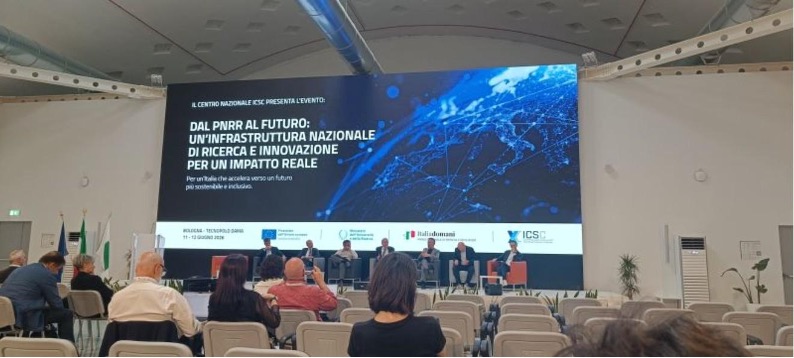
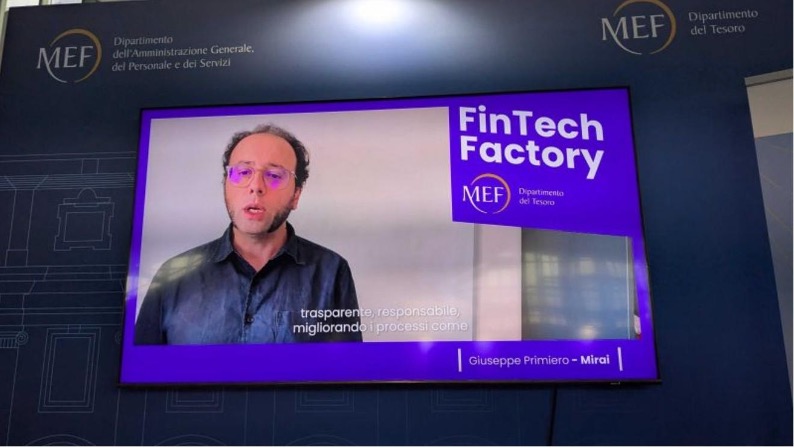
Last Thursday I gave a keynote at the Computer Science Workshop organized by the amazing DoCS DIBRIS team at the University of Genova. The first picture is me seizing this opportunity to have an existential crisis (😅), the second is to prove my complete lack of restraint when it comes to using memes.
My talk was on bias amplification chains [1], the idea that unfairness in ML systems doesn’t appear at a single point in the pipeline, but compounds across three distinct stages: from data sampling, to distributional shift, to biases generated by the model’s own mathematical architecture, absent from the ground truth entirely. This is the kind of work we do at MIRAI – Milano Responsible AI, where formal methods meet applied AI fairness.
The discussion that followed was the best part. The questions that don’t have clean answers yet (on legal liability at each link of the chain, on what a formal logic of intersectional discrimination would actually look like) are exactly where the interesting work is.
A few things I left the room thinking about:
Formal methods are not a niche concern. They are becoming the prerequisite for regulated AI.
Choosing a fairness metric is a normative political decision encoded into matrix multiplication. Most practitioners make that choice by default. We can do better.
The EU AI Act doesn’t just want a fairness score. It wants an auditable argument — a fundamentally different standard.
Thank you to the organising team for the invitation.
#ResponsibleAI #MachineLearning #AIFairness #FormalMethods #MIRAI
[1] Buda, A. G., Coraglia, G., Genco, F. A., Manganini, C., and Primiero, G. (2024). Bias amplification chains in ML-based systems with an application to credit scoring. In Proceedings of the 3rd Workshop on Bias, Ethical AI, Explainability and the Role of Logic and Logic Programming (BEWARE24), CEUR Workshop Proceedings, Vol. 3881.